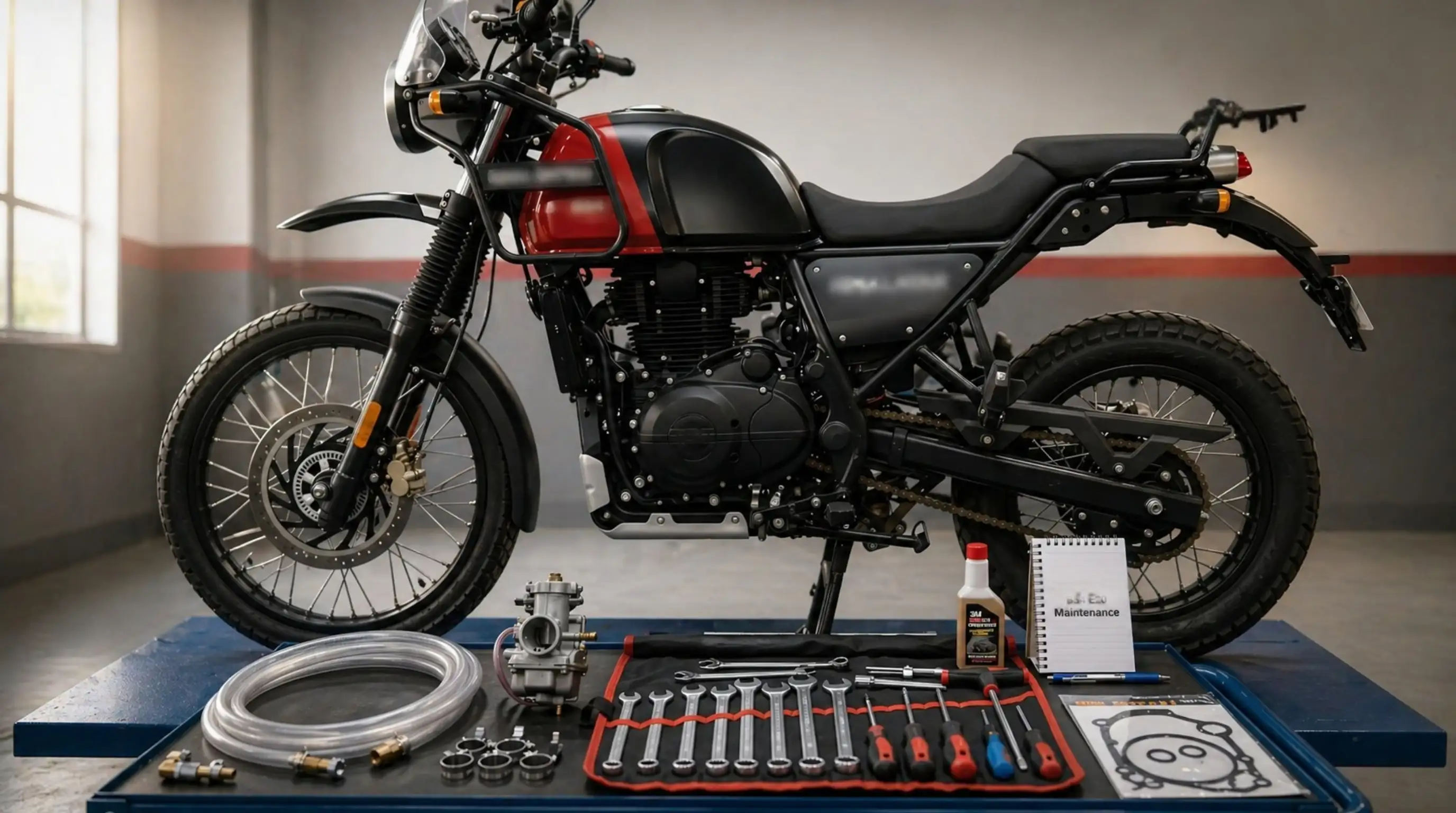
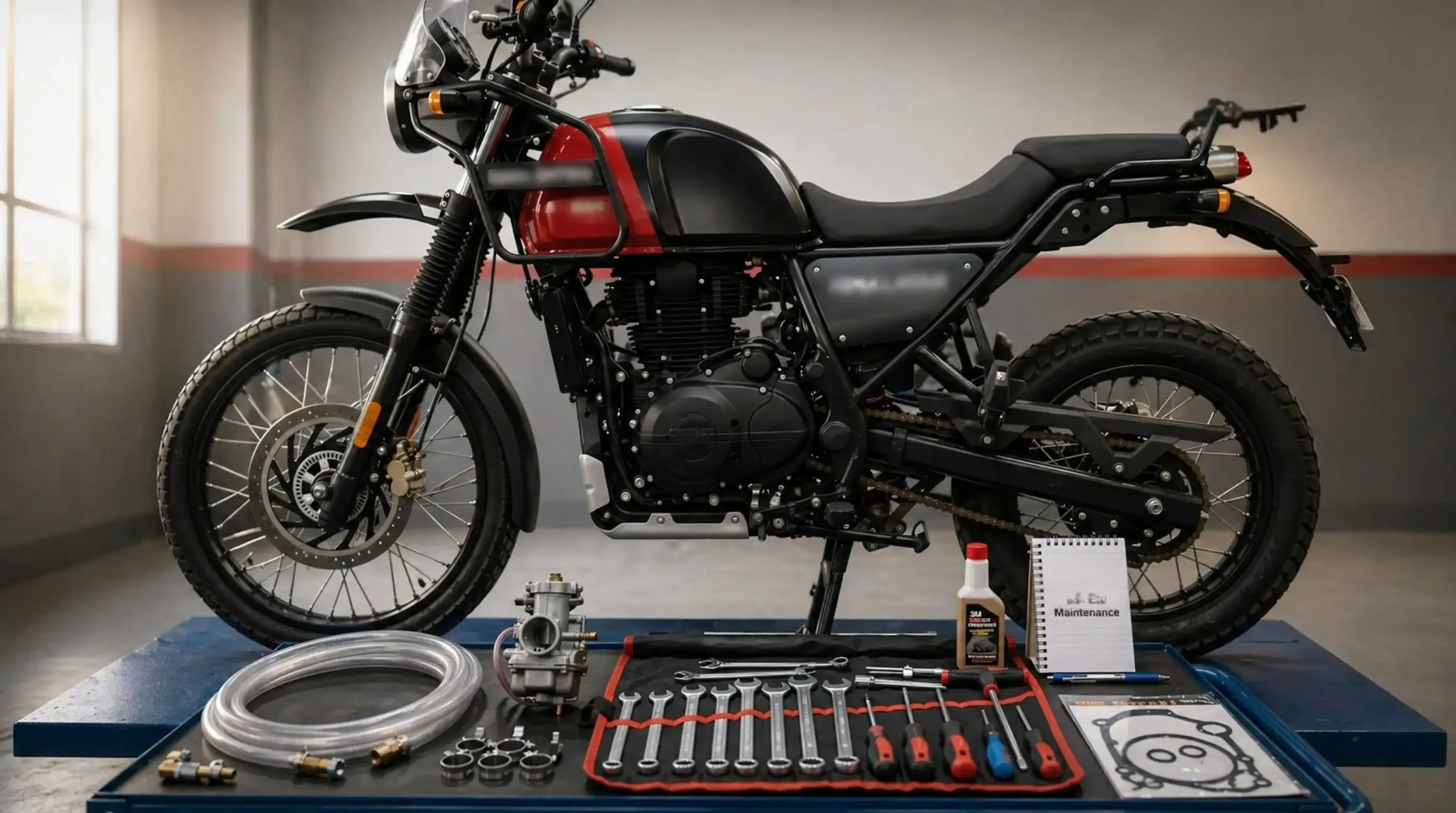
BS4 bikes with carburettors face real challenges with E20 petrol, but you can run them safely with the right maintenance routine. This guide covers the three critical upgrades and checks that prevent fuel system failures.
Why BS4 Bikes Need Special Attention on E20
BS4 motorcycles were designed for E5 petrol with maximum 5% ethanol content. E20 contains four times that amount, creating compatibility issues with rubber components and carburettor jets.
Most BS4 bikes use standard nitrile rubber (NBR) fuel hoses that degrade when exposed to 20% ethanol. The ethanol acts as a solvent, causing the rubber to swell, crack, and eventually leak fuel.
Carburettors on BS4 bikes lack the corrosion-resistant coatings found in newer fuel injection systems. Ethanol attracts moisture, which leads to varnish deposits and jet blockages within 2000 to 3000 km of regular E20 use.
Upgrade to Viton Fuel Hoses Immediately
Viton (fluoroelastomer) fuel hoses resist ethanol degradation far better than standard rubber. Replace all fuel lines from the tank to the carburettor with Viton-rated hoses as your first modification.
Check hose specifications carefully when purchasing. Look for FKM or Viton certification with explicit ethanol compatibility up to E85.
Most mechanics can complete the hose replacement in 30 to 45 minutes. Inspect all fuel line clamps during installation and replace any rusted or weakened clamps with stainless steel versions.
After installation, check for leaks with the engine running and the fuel tap in the reserve position. Viton hoses typically cost Rs 400 to 800 for a complete set depending on your bike model.
Carburettor Cleaning Every 3000km
E20 petrol leaves varnish deposits inside carburettor jets and passages faster than conventional petrol. Schedule a complete carburettor strip and clean every 3000 km to maintain proper fuel flow.
During cleaning, remove all jets and soak them in carburettor cleaner for 15 to 20 minutes. Use compressed air to clear passages, never wire or metal tools that can damage jet orifices.
Use Liqui Moly 4T Fuel System Cleaner every 3000 km to prevent deposits between manual cleanings. Add one bottle to a full tank and run it through completely before the next fill.
Replace the inline fuel filter during every carburettor service. Ethanol loosens tank sediment that clogs filters faster than with conventional petrol.
The 3000km Inspection Checklist
Check fuel hoses for surface cracks, swelling, or soft spots every 3000 km even with Viton upgrades. Replace immediately if you notice any degradation.
Inspect the fuel tank interior for corrosion or flaking paint using a torch. Ethanol accelerates rust formation in steel tanks, and loose particles will clog your carburettor jets.
Examine spark plugs for lean running conditions indicated by white or light grey deposits. E20 can run leaner than E5, requiring jet size adjustments in some cases.
Change engine oil every 3000 km instead of the standard 4000 to 5000 km interval. Use Castrol Power1 4T 10W-30 or equivalent synthetic oil rated for ethanol-blended fuels to handle increased moisture and fuel dilution.
Monitor fuel consumption closely. A sudden increase of more than 10% indicates carburettor tuning issues or air leaks that need immediate attention.